
 By William Smith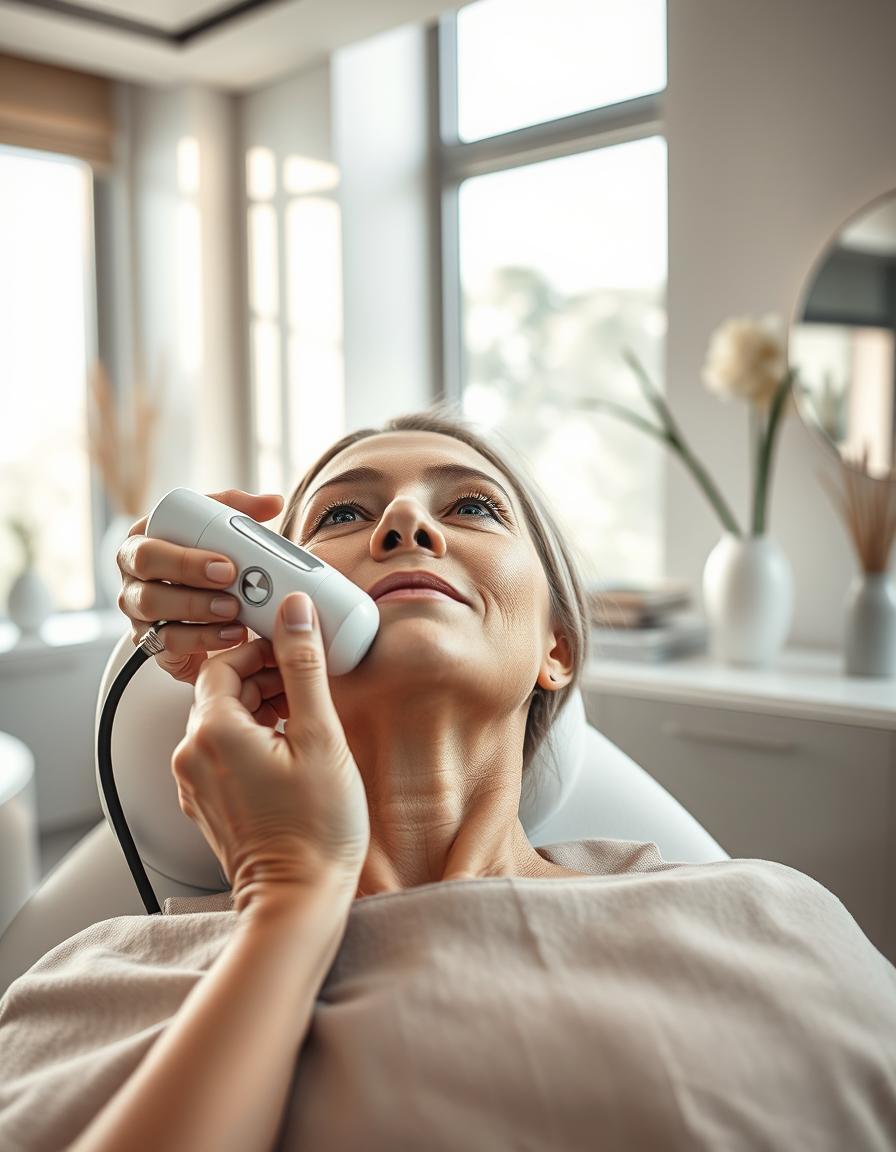
Many people want firmer skin and a slimmer face without going under the knife. Ultherapy is one popular treatment that promises to lift and tighten skin using ultrasound technology. But a common question pops up: does ultherapy melt fat? If you’re curious whether this treatment can help shed stubborn fat, you’re not alone. Let’s break down what Ultherapy really does and what to expect if you’re thinking about trying it.
What is Ultherapy?
Ultherapy is a non-invasive cosmetic procedure that uses focused ultrasound waves to stimulate collagen production deep within the skin. Collagen is the protein that keeps skin firm, smooth, and youthful. As we age, collagen production naturally slows, causing sagging and wrinkles.
The idea behind Ultherapy is to deliver heat energy below the surface of the skin without harming the outer layer. This heat triggers the body’s natural healing process, encouraging new collagen to grow over time. The result? A subtle lifting and tightening effect, especially around the neck, chin, and brow area.
How Does Ultherapy Work?
- Ultrasound energy targets skin layers beneath the surface
- Heat stimulates collagen regeneration
- Skin gets tighter and more elastic over several months
The procedure typically takes about an hour, depending on the treated area. Patients often describe feeling small amounts of heat or tingling during the treatment. There’s no downtime, which is a huge plus for busy folks.
Does Ultherapy Melt Fat?
Here’s the million-dollar question: does ultherapy melt fat? The short answer is no—Ultherapy is not designed to melt or remove fat. Its primary function is to lift and tighten skin by encouraging collagen production, not to target fat cells directly.
While patients might notice a slimmer appearance after Ultherapy, this is usually due to the skin tightening rather than actual fat loss. The ultrasound energy used in Ultherapy doesn’t destroy fat cells like other treatments such as CoolSculpting or liposuction.
What Ultherapy Can and Cannot Do
| Can Ultherapy Do? | Cannot Ultherapy Do? |
|---|---|
| Stimulate collagen for tighter, firmer skin | Directly remove or melt fat cells |
| Lift mild to moderate sagging skin | Replace surgery for severe skin laxity |
| Improve skin texture and elasticity | Reduce cellulite or deep fat deposits |
So, if your goal is to get rid of stubborn fat pockets, Ultherapy might not be the best fit. Instead, it shines when used to firm up the skin after fat loss or in areas where skin has lost its bounce.
What Treatment Options Actually Melt Fat?
For those itching to melt fat, several treatments have made a name for themselves:
- CoolSculpting: Uses controlled cooling to freeze and eliminate fat cells.
- Liposuction: A surgical option that physically removes fat deposits.
- Kybella: An injectable that dissolves fat under the chin.
Each has its own pros and cons in terms of recovery, cost, and results. If you’re unsure, working with a professional to find the right option for your unique needs is the smartest move.
Can Ultherapy and Fat Reduction Treatments Be Combined?
Here’s a little secret—some people combine Ultherapy with fat reduction treatments. This combo can be powerful because while one treatment tightens skin, the other reduces fat volume.
For example, a patient might get CoolSculpting to remove fat under the chin and then use Ultherapy to lift any loose skin left behind. This two-step approach can produce smoother, firmer, and more contoured results than either treatment alone.
Benefits of Combining Treatments
- Maximizes fat reduction and skin tightening
- Minimizes surgical intervention
- Speeds up overall facial rejuvenation
What to Expect After Ultherapy
After an Ultherapy session, it takes time for results to appear. Your body needs to create new collagen, which can take anywhere from 2 to 3 months. Most patients notice gradual lifting and tighter skin in treated areas.
Side effects are usually mild and temporary—some redness, swelling, or tingling—which typically disappear within a few days. Because there’s no actual fat melting involved, you won’t see instant slimming effects, but over time, firmer skin might make your face look more sculpted.
Tips to Enhance Results
- Stay hydrated and eat healthy
- Protect your skin from sun damage
- Consider nutrition response testing (nutrition response testing) to optimize your overall health and wellness
- Follow your provider’s aftercare advice
Is Ultherapy Right for You?
If you’re dealing with loose or sagging skin but don’t have a lot of fat to lose, Ultherapy might be a great option. It’s especially popular for tightening skin around the jawline, neck, and brows without surgery.
However, if your main concern is removing fat, you’ll want to explore other treatments. Ask yourself what your goals are and discuss them openly with a trusted aesthetic professional. Remember, no one treatment fits all.
Conclusion
So, does ultherapy melt fat? The honest truth is no. Ultherapy focuses on boosting collagen to tighten and lift skin, rather than melting fat cells. If you want to slim down specific areas, treatments like CoolSculpting or Kybella are better choices.
That said, Ultherapy can complement fat reduction treatments perfectly by ensuring skin stays firm and smooth. It’s a unique option for those wanting gentle, non-surgical rejuvenation with minimal downtime.
Ultimately, understanding what Ultherapy can and cannot do will help you set realistic expectations and choose the best path for your skin and body goals. Keep an open dialogue with your provider, stay informed, and listen to your body—that’s the best recipe for feeling confident and looking your best.