
 By William Smith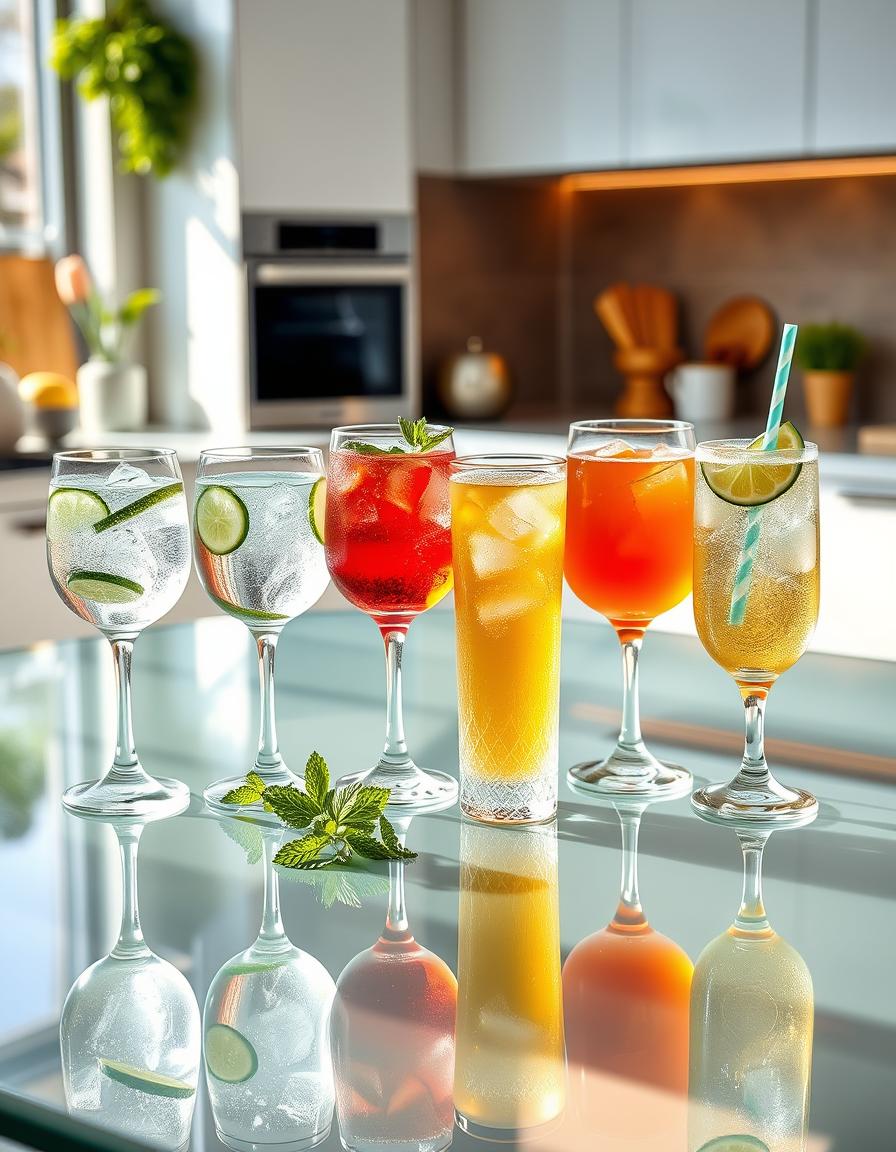
Intermittent fasting has become a popular approach for improving health and shedding extra pounds. One common question people ask is whether they can drink certain beverages during fasting periods without breaking the fast. Zero-calorie drinks, in particular, seem like an easy way to stay hydrated and curb hunger, but do they really fit into intermittent fasting? Let’s explore what zero-calorie drinks intermittent fasting allows and what to watch out for.
What Is Intermittent Fasting?
Intermittent fasting is a pattern of eating that switches between periods of eating and fasting. Unlike traditional diets, it doesn’t focus on what you eat but rather when you eat. Typical fasting windows range from 12 to 16 hours or longer, depending on the method. During the fasting window, you’re meant to avoid consuming calories to let your body rest and burn stored fat.
Why People Choose Intermittent Fasting
Many find intermittent fasting simple and effective because it doesn’t require complicated meal plans. People often report increased energy and improved focus, along with weight loss. It’s also linked to improved blood sugar and heart health. But sticking to just water during fasting can be tough, which is why the topic of zero-calorie drinks intermittent fasting is so important.
Can You Drink Zero-Calorie Beverages While Fasting?
The main goal during fasting is to avoid consuming anything that triggers an insulin response or contains calories. This means drinks with calories or sugar can break your fast.
Zero-calorie drinks intermittent fasting usually refers to beverages like plain water, black coffee, tea without sugar, and some diet sodas or flavored waters without calories. These are generally considered safe to drink because they won’t spike insulin or add calories.
Common Zero-Calorie Drinks Allowed During Fasting
| Drink | Description | Notes |
|---|---|---|
| Water | Plain, sparkling, or mineral water with zero calories. | Hydrates and helps curb hunger. |
| Black Coffee | Freshly brewed coffee without sugar or cream. | May increase alertness and fat burning. |
| Unsweetened Tea | Green, black, herbal teas without additives. | Offers antioxidants, no calories. |
| Diet Soda | Zero-calorie sodas with artificial sweeteners. | Controversial; some prefer to avoid due to sweeteners. |
What About Artificial Sweeteners?
Artificial sweeteners such as sucralose, aspartame, or stevia are common in zero-calorie drinks. They provide sweetness without calories, making them tempting choices during fasting. But do they affect your fast?
The jury is still out. Some research suggests artificial sweeteners may cause a slight insulin response in some individuals, which could theoretically break a fast. Others find that they help reduce cravings and don’t disrupt fasting benefits. How your body reacts might be unique, so it’s worth experimenting and paying attention to hunger and energy levels.
Tips for Using Artificial Sweeteners During Fasting
- Start with small amounts and observe how you feel.
- Avoid sweeteners if you notice increased hunger or cravings.
- Choose natural options like stevia if artificial ones don’t agree with you.
- Keep overall consumption minimal to ensure the best fasting response.
Benefits of Zero-Calorie Drinks During Fasting
Drinking zero-calorie beverages can make fasting smoother and more enjoyable. Here’s how they help:
- Suppress hunger: Drinks like black coffee and tea can help reduce the sensation of hunger, making fasting hours less challenging.
- Improve hydration: Staying hydrated supports metabolism and helps prevent fatigue during fasting.
- Boost energy: Caffeine in black coffee and some teas can increase alertness and focus.
These perks contribute to sticking with your intermittent fasting weight loss plan, helping you stay on track without feeling deprived.
Potential Downsides of Zero-Calorie Drinks During Fasting
While zero-calorie drinks are usually harmless, a few pitfalls deserve mention:
- Artificial sweeteners may increase cravings: For some, sweetness without calories tricks the brain, boosting desire for real sugary foods.
- Caffeine sensitivity: Drinking too much coffee or tea can cause jitters, anxiety, or sleep issues, which might hurt your fasting experience.
- Possible digestive upset: Carbonated water or diet sodas can cause bloating or gas in sensitive people.
- Habit-forming: Relying too much on diet sodas as a “fasting hack” might prevent you from listening to your body’s true hunger signals.
Zero-Calorie Drinks to Avoid During Fasting
Not all zero-calorie drinks are created equal. Avoid options that might kick your body out of fasting mode:
- Flavored waters with hidden sugars or calories: Some “zero-calorie” drinks still contain small amounts of carbs or sweeteners that can break your fast.
- Milk or cream in coffee or tea: Even a splash adds calories and protein, ending your fasting window.
- Juices or smoothies labeled “diet” but containing carbs: These can cause an insulin spike.
Quick Comparison of Drinks and Their Fasting Impact
| Drink | Calories | Breaks Fast? | Recommended? |
|---|---|---|---|
| Water | 0 | No | Yes |
| Black Coffee | 0–5 | No | Yes |
| Unsweetened Tea | 0–5 | No | Yes |
| Diet Soda (with artificial sweeteners) | 0 | Debatable | Moderation |
| Flavored Water (with carbs) | >0 | Yes | No |
| Milk or cream | 20+ | Yes | No |
How to Make Zero-Calorie Drinks More Enjoyable
Fasting doesn’t have to mean drinking plain boring water only! Here are some friendly tricks to spice up your zero-calorie drinks intermittent fasting allows:
- Add a slice of lemon or cucumber to your water for a refreshing twist.
- Experiment with different teas like peppermint, chamomile, or rooibos for variety.
- Use cinnamon sticks or vanilla extract drops in coffee or tea for flavor without calories.
- Carbonated water can add fizz if you prefer bubbly drinks to still water.
These simple touches keep your fasting window interesting and help avoid reaching for sugary snacks to break the monotony.
Personal Experience: My Journey With Zero-Calorie Drinks During Fasting
When I first tried intermittent fasting, I thought water alone would be enough. But I quickly found that adding black coffee and herbal teas helped me get through long fasting hours without feeling miserable. At times, I indulged in diet soda, but noticed it sometimes made me want sweets more. Since then, I’ve mostly stuck to water and unsweetened teas. This little change has made fasting easier and more enjoyable.
Everyone’s body reacts differently, so keep an open mind and adjust what works best for you. Remember, the goal is to support your body and enjoy the process.
If you want to explore intermittent fasting more seriously, check out this intermittent fasting weight loss plan that offers practical advice and guidance.
Conclusion
Zero-calorie drinks intermittent fasting usually permits include water, black coffee, and unsweetened tea. These drinks help keep you hydrated and may reduce hunger without breaking your fast. Artificial sweeteners in diet sodas are more controversial, so use them cautiously and listen to your body. Avoid any beverages with calories, sugar, or milk during fasting windows to maintain the benefits of intermittent fasting.
Hydrating with tasty zero-calorie drinks can make fasting easier and more sustainable. Keep it simple, pay attention to how your body feels, and remember that fasting is about making a healthy lifestyle work for you. Cheers to smart sipping and successful fasting!