
 By William Smith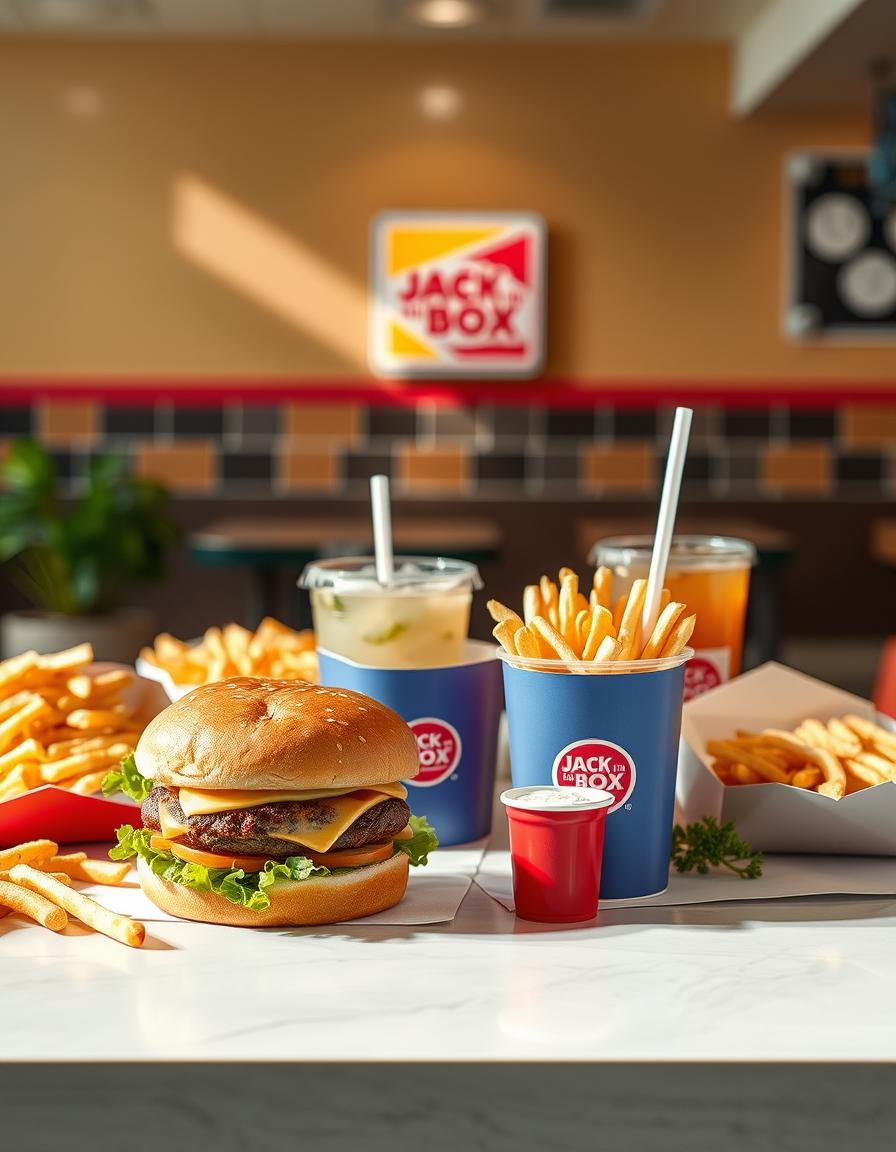
Jack in the Box often pops up on the fast-food radar, tempting many with its tasty burgers, tacos, and shakes. But if you’re curious about what’s really on your plate — or in your fries — understanding Jack in the Box nutrition can help you make smarter choices. Whether you’re grabbing a quick bite before work or treating yourself after a long day, knowing the basics about calories, fats, proteins, and other nutrients can keep you feeling good without giving up the flavor you love.
Breaking Down Jack in the Box Nutrition
Fast food is usually tagged as “unhealthy,” but that doesn’t mean you have to feel guilty every time you visit Jack in the Box. Like any meal, it all depends on what you pick from the menu and how often. Let’s peek into the main nutrition stats so you can make decisions that fit your lifestyle.
Calories: What Are You Really Eating?
Calories measure the energy in your food. It’s super easy to underestimate how many calories sneak into a combo meal. For example, a classic Jack in the Box Cheeseburger contains about 350 calories. Add medium fries and a soda, and you’re looking at roughly 900 to 1,000 calories in total – almost half a day’s calories for some people!
Here’s a quick glance at calories from common Jack in the Box items:
| Menu Item | Calories |
|---|---|
| Jumbo Jack Cheeseburger | 350 |
| Small Curly Fries | 280 |
| Chicken Nuggets (6 pcs) | 280 |
| Regular Soda (Medium) | 210 |
| Breakfast Jack Sandwich | 350 |
Fats and Proteins: Balancing Act
Fats often get a bad rap, but your body needs some to function well. The trick is to watch how much—and what kind—you’re eating. Jack in the Box’s menu can be high in saturated fats, which you want to limit, but it also offers decent protein in many items. Protein keeps you feeling full longer, helping you avoid that afternoon hangry moment.
For instance, the Grilled Chicken Salad at Jack in the Box contains about 20 grams of protein with less fat than the traditional burgers. Meanwhile, the Classic Buttery Jack Burger cranks up the fat content to around 20 grams per serving.
Carbs and Sugars: Energy and Sweetness
Carbohydrates provide quick energy, but too many simple sugars can lead to energy crashes. Many Jack in the Box items, especially buns, fries, and shakes, come packed with carbs and added sugars. If you’re trying to keep sugar low, watch out for items like milkshakes or flavored sodas.
- A medium shake can have over 50 grams of sugar.
- Fries contain about 35 grams of carbohydrates per serving.
- Some breakfast burritos pack over 40 grams of carbs.
Sodium: The Sneaky Salt Factor
Sodium is vital for bodily functions, but too much salty food can cause bloating or raise blood pressure. Fast food is known to be heavy on salt, and Jack in the Box is no exception. Many items exceed half of the recommended daily limit of 2,300 mg of sodium per serving.
Here’s a quick look at sodium counts on popular menu choices:
| Menu Item | Sodium (mg) |
|---|---|
| Ultimate Cheeseburger | 1,100 |
| Large Curly Fries | 430 |
| Jack’s Spicy Chicken Sandwich | 1,290 |
| Tacos (2 pcs) | 1,200 |
Healthier Choices on the Menu
If you want to enjoy Jack in the Box without the heavy guilt, you don’t have to give up fast food completely. Some options are surprisingly lighter and packed with more nutrients.
Grilled Options
Choosing grilled over fried makes a big difference. For example, the Grilled Chicken Salad or Chicken Sandwich cuts down on fat and calories. Opting for water or unsweetened iced tea instead of soda can lower sugar intake as well.
Smaller Portions
Sometimes, less is more. Selecting a smaller-sized portion or skipping extras like cheese and mayo can reduce calories and fats. Sharing fries or opting for side salads instead can help keep meals balanced.
Breakfast Choices
Breakfast at Jack in the Box offers several options under 400 calories, such as the Breakfast Jack Sandwich or the Mini Pancakes. These can be satisfying without overloading on fat or sugar, but skipping the syrup or butter keeps them healthier.
Jack in the Box Nutrition and Your Lifestyle
Eating fast food occasionally is part of modern life—it’s fast, convenient, and tasty. The key is to stay informed. Knowing Jack in the Box nutrition helps you decide when to indulge and when to opt for something lighter.
Also, don’t forget that eating habits are only part of the health puzzle. How you rest and recover matters as much. For example, learning about does sleep count as fasting can change how you approach your eating windows and overall wellness.
Summary Table: Quick Nutrition Tips for Jack in the Box Meals
| Tip | Why It Helps |
|---|---|
| Pick grilled over fried | Lower fat and calories |
| Choose water or unsweetened drinks | Reduce sugar intake |
| Watch portion sizes | Control calorie intake |
| Include veggies or salads | Boost fiber and nutrients |
| Skip extras like cheese or mayo | Cut down on fat and sodium |
Conclusion
Knowing the basics of Jack in the Box nutrition doesn’t mean avoiding all the good stuff — it simply means making smarter choices that suit your needs. With some simple swaps and awareness, fast food can fit into a balanced lifestyle. After all, enjoying your meal should feel good both in taste and in how it fuels your body. Remember, balance is key, and sometimes, that means grabbing a burger without guilt and sometimes, picking the grilled chicken salad. Your body will thank you either way.