
 By William Smith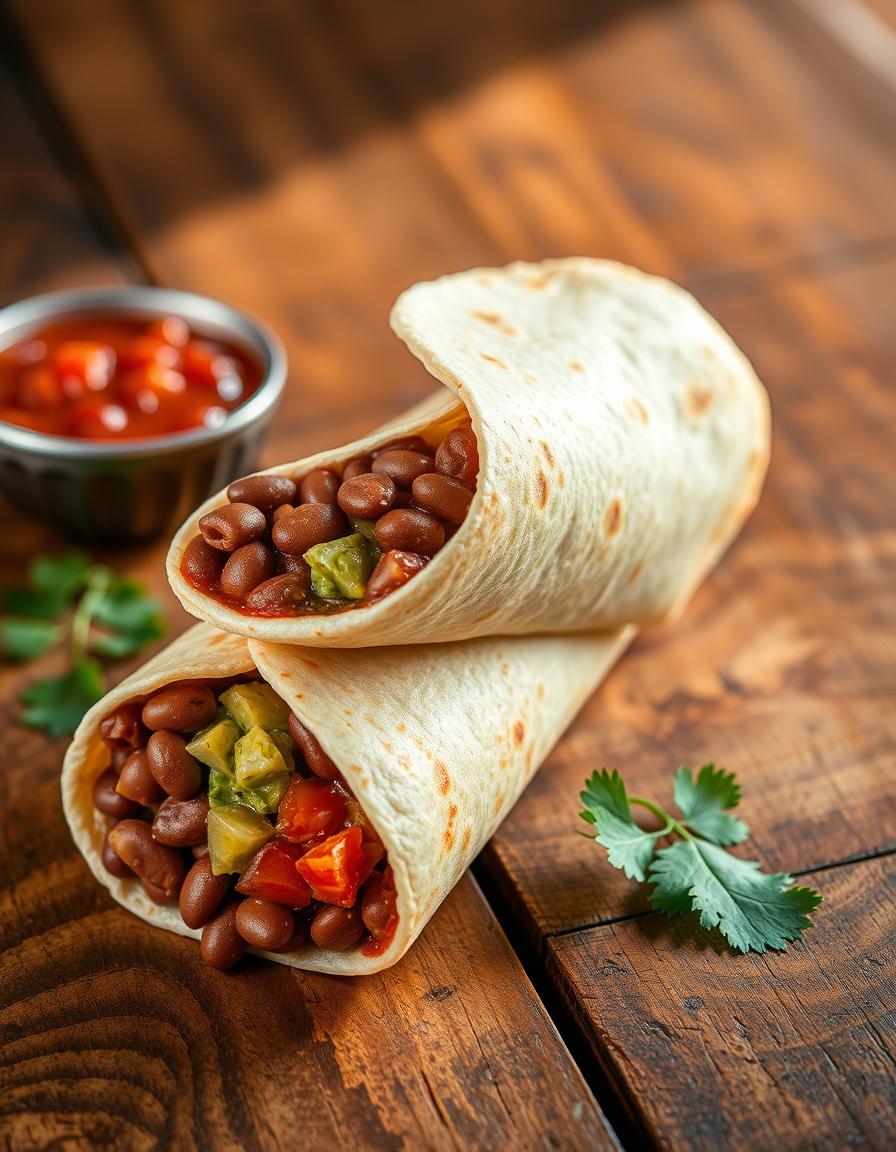
When hunger strikes and you want a quick, tasty bite, Taco Bell’s bean burrito often pops up as a popular choice. It’s affordable, filling, and packed with classic flavors. But if you ever paused to wonder about the taco bell bean burrito nutrition facts, you’re not alone. Understanding what goes into this favorite fast-food item can help you make smarter meal decisions—whether you’re counting calories, watching your sodium intake, or just curious about what you’re putting in your body.
Breaking Down the Basics
The Taco Bell bean burrito is a simple yet satisfying menu item. It features a warm flour tortilla wrapped around a savory filling of refried beans, shredded cheddar cheese, diced onions, and a zesty red sauce. Sounds straightforward, right? But let’s see what those ingredients translate to in terms of nutrition.
| Nutrient | Amount Per Burrito | % Daily Value* |
|---|---|---|
| Calories | 350 kcal | 18% |
| Total Fat | 9 grams | 12% |
| Saturated Fat | 4.5 grams | 23% |
| Cholesterol | 15 mg | 5% |
| Sodium | 720 mg | 31% |
| Total Carbohydrates | 53 grams | 19% |
| Dietary Fiber | 9 grams | 32% |
| Sugars | 3 grams | — |
| Protein | 13 grams | 26% |
*Percent daily values are based on a 2,000 calorie diet.
Calories and Energy
At 350 calories, the bean burrito is a moderate choice for fast food. It offers enough energy to keep you going without packing in too many extra calories. For comparison, many fast-food items can top 600-800 calories, so this burrito is somewhat of a light meal option. You can easily fit it into a balanced diet, especially if you pair it with a side of veggies or a lighter drink.
Protein and Fiber: The Filling Factors
One of the best parts about this burrito is its protein and fiber content. With 13 grams of protein, it helps support muscle repair and keeps you feeling fuller longer.
The fiber count is even more impressive—9 grams per burrito. That’s about a third of what most adults need daily. Fiber is great for digestion and can help regulate blood sugar levels, so this burrito packs more nutritional punch than you might expect. Thanks to the beans, it’s rich in plant-based protein and fiber, making it a solid vegetarian option.
The Sodium Story
Now, if you’re watching your salt intake, this is where you need to be a bit cautious. The Taco Bell bean burrito contains around 720 milligrams of sodium, which is about 31% of the recommended daily limit for most adults. That’s plenty for one snack or small meal, but it can add up fast if you eat other salty foods during the day. Too much sodium may lead to increased blood pressure, so moderation is key.
Fat Content: What’s Inside?
The burrito contains 9 grams of total fat, which is not too high but shouldn’t be overlooked. Nearly half of that is saturated fat (4.5 grams), which can raise cholesterol levels if consumed excessively. However, it does contain only 15 mg of cholesterol, which is relatively low. If you keep your intake balanced throughout the day, this small amount of fat won’t derail your health goals.
Carbohydrates and Sugar
The tortilla and beans provide the carbohydrates here, giving you 53 grams in total. That’s a reasonable amount and suitable for many active people. The sugar content is low, around 3 grams, which mainly comes from the tomato sauce and onions. This helps keep blood sugar spikes low, especially compared to sweeter fast-food options.
Vegetarian Friendly
Here’s a neat little fact: the bean burrito is one of Taco Bell’s vegetarian menu items. If you don’t eat meat, this option delivers protein and fiber without compromising on taste. It’s a great way to get some essential nutrients while enjoying a flavorful fast food item. Plus, for those curious about spices and seasoning, the red sauce adds just the right kick without being overpowering.
How to Make It Healthier
- Go easy on extras: Adding sour cream or extra cheese can boost saturated fat and calories.
- Skip the side of nachos or fries: Pair your burrito with a side salad or fruits to add vitamins without empty calories.
- Watch your drink choices: Opt for water or unsweetened beverages to avoid added sugars.
- Try customizing: Taco Bell offers ways to modify your order, such as requesting fresher ingredients or fewer sauces.
Staying hydrated is important, especially if you’re on a fast or workout routine. For those interested in hydration tips, consider checking out the best electrolytes for fasting. They can help ensure you maintain energy and balance during long periods without food.
Summary Table: Pros and Cons
| Pros | Cons |
|---|---|
| Rich in fiber and protein | Relatively high sodium content |
| Vegetarian friendly | Moderate amount of saturated fat |
| Moderate calorie count | Can be higher in fat if extras are added |
| Convenient and filling | Not suitable for gluten-free diets (flour tortilla) |
Conclusion
The Taco Bell bean burrito offers more than just a tasty fast-food fix—it provides solid nutrition with good fiber and protein that help keep hunger at bay. While it’s not without some downsides, particularly in sodium and saturated fat, it can fit well into a balanced diet when consumed thoughtfully. It’s also a unique option for vegetarians craving fast food.
As with any meal, the key is balance and moderation. Pairing your burrito with healthier drinks and sides can help ensure your meal supports your wellness goals. Next time you stop by Taco Bell, you can appreciate not just the flavor but the nutrients behind that humble bean burrito.