
 By William Smith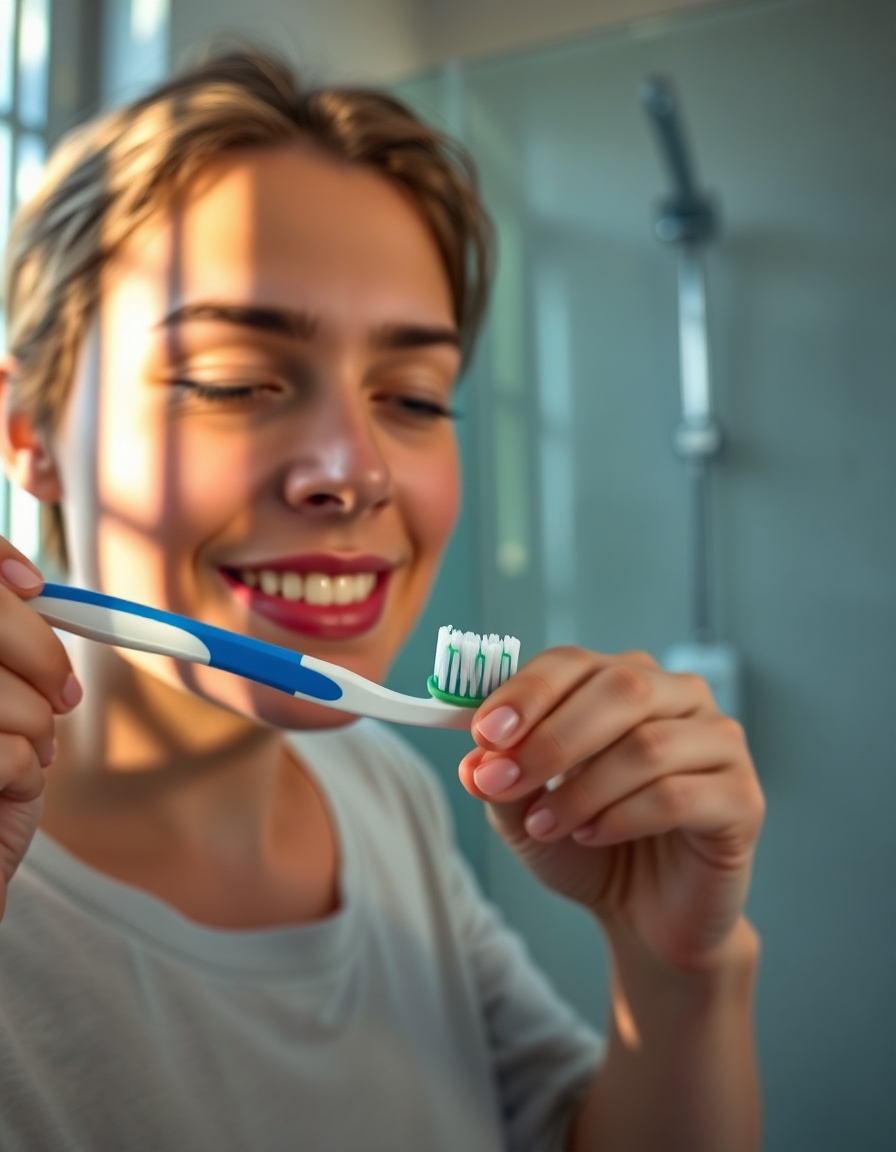
Fasting has gained popularity for its health benefits and spiritual significance. People fast for various reasons, whether to lose weight, improve metabolism, or simply give their digestive system a break. But when you’re in the middle of a fasting window, you might wonder about daily routines like brushing your teeth. The question “can you brush your teeth while fasting” pops up more often than you might think. After all, you want to keep your mouth fresh without accidentally breaking your fast.
What Exactly Is Fasting?
Fasting means voluntarily not eating food or drinking anything with calories for a certain period. There are many types of fasting — intermittent fasting, water fasting, and longer fasts lasting several days. The main idea is to give your body time without food, which can help with weight loss, insulin sensitivity, and even mental clarity.
Fasting affects your body in several ways. For example, your insulin levels drop, which helps your body burn fat instead of storing it. When you maintain a normal fasting insulin level, your body can function better, and your metabolism gets a boost. This is why many folks are so careful about what they consume during a fast.
Can You Brush Your Teeth While Fasting?
Now, to the burning question: can you brush your teeth while fasting? The good news is yes, you can and absolutely should! Brushing your teeth during a fast doesn’t break your fast, as long as you don’t swallow anything. The key is avoiding toothpaste or mouthwash products that contain calories or sugar that might sneak into your system.
Think of brushing your teeth as an important hygiene habit that helps you avoid bad breath — which tends to be worse during fasting because of the absence of food. It can be tricky to maintain oral cleanliness when not eating, so brushing gently but regularly is a smart move.
Why It’s Safe to Brush During a Fast
- No calorie intake: Toothpaste and brushing don’t add calories to your body if you spit everything out.
- No impact on insulin: Since you’re not swallowing food or drinks, your insulin levels remain unaffected.
- Improves oral health: Fasting can cause dry mouth, which sometimes leads to bacteria buildup. Brushing helps reduce this risk.
What to Avoid When Brushing While Fasting
Even though brushing is fine, some products you use might accidentally break your fast:
- Toothpaste with sugar or caloric sweeteners: Some natural toothpaste brands use sweeteners like sorbitol or xylitol. While xylitol doesn’t raise insulin much, swallowing it might add calories.
- Flavored mouthwash: Many mouthwashes contain alcohol or sugar, both of which could break your fast if swallowed.
- Swallowing toothpaste: This can introduce calories into your system, breaking the fast.
To be safe, choose a simple, unsweetened toothpaste and avoid mouthwash or rinse with plain water after brushing.
How to Brush Your Teeth Properly While Fasting
Keeping your oral hygiene on point doesn’t need to be complicated. Just follow these simple tips to ensure your brushing routine stays fast-friendly:
| Tip | Why It Matters |
|---|---|
| Use a pea-sized amount of toothpaste | Less risk of accidentally swallowing toothpaste |
| Spit thoroughly and rinse with water | Removes leftover toothpaste and prevents ingestion |
| Opt for toothpaste without sugars or sweeteners | Avoids unwanted calorie intake |
| Brush gently but thoroughly twice a day | Maintains clean teeth and fresh breath during fasting |
Common Concerns About Brushing While Fasting
Will Brushing Create Insulin Response?
No, brushing your teeth will not cause your insulin to spike. Insulin release happens when you consume calories, especially carbohydrates or sweetened drinks. Since you do not ingest any calories through brushing, your fasting insulin level remains stable.
What About Using Mouthwash?
Many mouthwashes contain alcohol or sugars that can break your fast. If you want to use mouthwash, look for options labeled “alcohol-free” and “no sugar.” Still, it’s safest to skip mouthwash altogether during fasting or use plain water rinses.
Does Fasting Affect Bad Breath?
Absolutely! When you fast, your body produces ketones, which can give your breath a fruity or sometimes less pleasant smell. Brushing your teeth helps reduce this odor and keeps you feeling fresh.
Additional Tips for Maintaining Oral Health During Fasting
Fasting can dry out your mouth and reduce saliva production, which normally helps protect your teeth from bacteria. Here are a few extra tips to protect your smile:
- Drink plenty of water during your eating windows.
- Chew sugar-free gum if allowed, to stimulate saliva.
- Brush your tongue gently to remove bacteria and odor.
- Avoid smoking and alcohol, which can worsen dry mouth.
Summary Table: Brushing Teeth While Fasting
| Activity | Allowed During Fasting? | Notes |
|---|---|---|
| Brushing Teeth with Unsweetened Toothpaste | Yes | Spit and rinse to avoid swallowing |
| Using Regular Mouthwash | No | Contains alcohol/sugar that breaks fast |
| Using Alcohol-Free Mouthwash | Maybe | Check ingredients; avoid swallowing |
| Swallowing Toothpaste | No | Breaks fast due to calorie intake |
Conclusion
So, can you brush your teeth while fasting? Yes, it’s perfectly safe and even encouraged to maintain good oral hygiene during your fast. Just be cautious about what toothpaste or mouthwash you use, and avoid swallowing anything. Brushing your teeth will not break your fast nor interfere with your body’s insulin response.
Keeping your mouth clean will help you feel fresher and avoid bad breath — a common fasting side effect. With a few simple precautions, you can enjoy the benefits of fasting without worrying about your dental health. Remember to choose products wisely and stick to water rinses if in doubt. Your smile will thank you!