
 By William Smith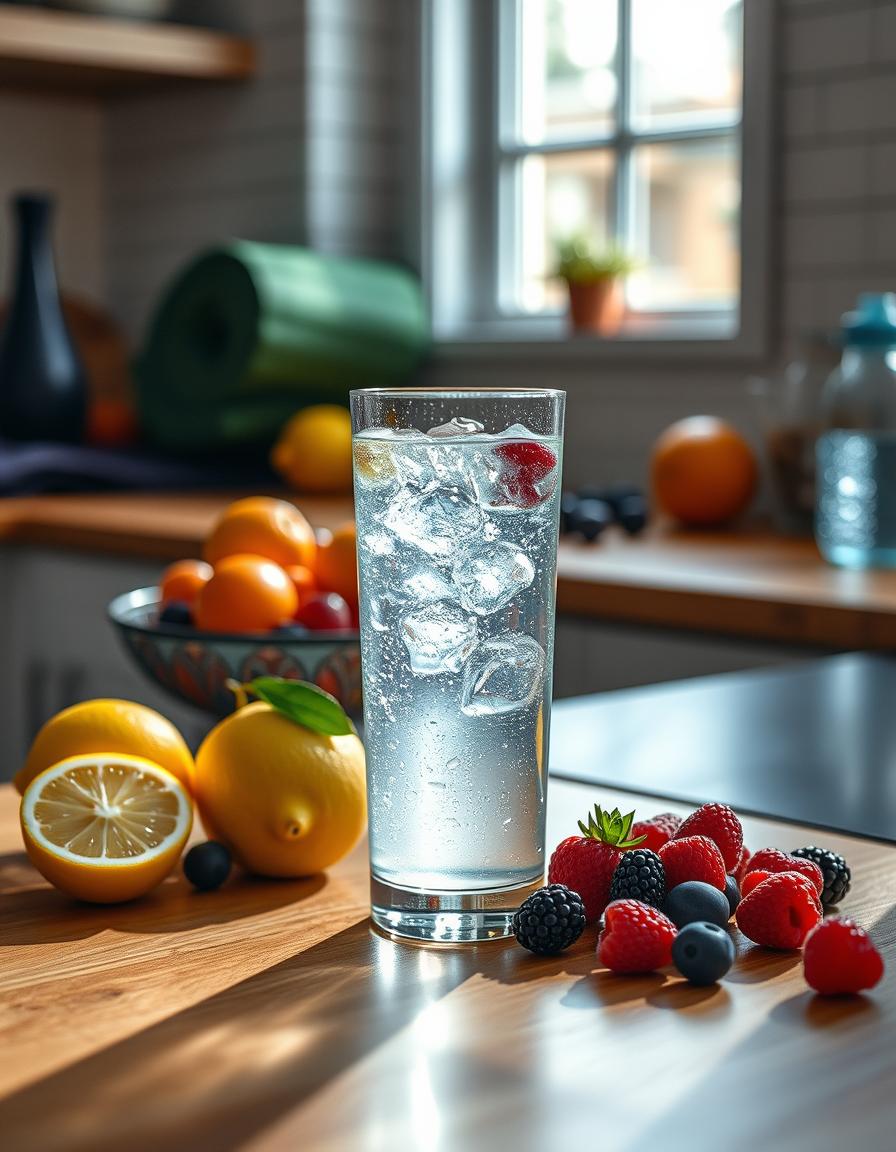
Fasting has grown in popularity for its health benefits, from weight loss to improved mental clarity. But if you’ve ever tried going without food for several hours or even days, you might have wondered about the role of electrolytes during this time. Electrolytes are minerals like sodium, potassium, and magnesium that help keep your body’s fluids balanced and muscles functioning properly. So, can you drink electrolytes while fasting? Let’s explore this common question and what you need to know to stay comfortable and healthy.
What Are Electrolytes and Why Do They Matter?
Electrolytes are essential nutrients that carry an electric charge. They help regulate hydration, nerve signals, and muscle contractions. When you eat normally, you usually get enough electrolytes from foods and drinks like fruits, vegetables, and dairy. But during fasting, especially longer fasts, your body’s balance can shift.
Because no food is consumed, the intake of sodium, potassium, and magnesium drops dramatically. Plus, fasting often causes you to lose more water through urine, which can flush out electrolytes. This is why some people feel dizzy, weak, or have headaches when they fast.
Common Electrolytes You Might Hear About
- Sodium: Helps maintain blood pressure and fluid balance.
- Potassium: Important for muscle function and heart rhythm.
- Magnesium: Supports muscle relaxation and energy production.
- Calcium: Involved in muscle contractions and bone health.
Can You Drink Electrolytes While Fasting?
The short answer: yes, in most cases, you can drink electrolytes while fasting. But it depends on the type of fasting and what you put in your electrolyte drink. The main concern is whether the electrolyte drink contains calories, sugar, or other ingredients that could break your fast.
Many electrolyte powders or drinks have added sugars, artificial flavors, or other additives, which technically break a fast because they initiate digestion. However, some electrolyte supplements contain no calories or sugars and just provide the minerals your body needs. These are generally safe to consume without breaking your fast.
Types of Fasting and Electrolyte Intake
| Fasting Type | Electrolyte Intake Allowed? | Notes |
|---|---|---|
| Intermittent Fasting (16:8, 18:6, etc.) | Yes | Non-caloric electrolytes help maintain balance during fasting window. |
| Water Fasting | Often Recommended | Non-caloric electrolytes can reduce side effects like cramps and dizziness. |
| Dry Fasting (No food or water) | No | Electrolyte drinks break the fast; only water is permitted during dry fasting. |
| Prolonged Fasting (48+ hours) | Yes | Electrolytes critical to avoid severe imbalances and maintain health. |
How Electrolytes Affect Your Fasting Experience
Imagine you’re on a long road trip with a car that’s running low on diesel. Electrolytes are like the fuel additives that keep your engine running smoothly during the trip. Without enough of them, your body might feel sluggish or even stall out with cramps or headaches.
Many people who fast experience the “keto flu,” a group of symptoms including fatigue, headache, and irritability. These symptoms often happen because your body is losing electrolytes quickly. Drinking electrolyte-balanced fluids without sugar can ease these discomforts.
Signs You May Need More Electrolytes While Fasting
- Muscle cramps or spasms
- Dizziness upon standing
- Headaches or confusion
- Rapid heartbeat or palpitations
- Fatigue or weakness
Choosing the Right Electrolyte Drink
When checking if you can drink electrolytes while fasting, it’s essential to read the label carefully. Many electrolyte drinks on the market have hidden sugars or calories that might break your fast. Here’s what to look for:
- No added sugars or sweeteners: Avoid anything with fructose, glucose, or artificial sweeteners that cause an insulin response.
- Zero calories: The drink should contain no or very few calories to maintain the fasting state.
- Essential minerals: Sodium, potassium, magnesium, and calcium are the key players.
- Natural ingredients: Simpler is usually better to prevent unexpected additives.
Some DIY electrolyte drinks combine water with a pinch of sea salt, a squeeze of lemon, and a bit of magnesium powder. These homemade versions are popular for fasting because you control exactly what goes in.
Electrolytes and Exercise During Fasting
If you’re wondering how electrolytes fit into a fasting workout, here’s a tip: they are your workout buddies during fasting. Exercise depletes electrolytes through sweat, and fasting can already reduce their levels. Keeping your electrolyte balance can help avoid cramps and keep you energized.
By the way, if you’re curious about weightlifting and how certain exercises work for your body, you might want to check out this article about is deadlift a back exercise. It clears up a common confusion about this popular move!
Can Electrolytes Break Your Fast?
This is the million-dollar question. When your main goal is fat burning or autophagy (your body’s way of cleaning up old cells), even a tiny calorie or insulin spike may stop the fasting benefits. Since most pure electrolytes have no calories, they generally don’t break your fast.
That said, some people prefer fasting strictly without anything except water to keep the process “clean.” Others opt for non-caloric electrolytes to feel better and last longer. It’s a personal choice — depending on your goals and how your body responds.
Quick Guide: Pros and Cons of Drinking Electrolytes While Fasting
| Pros | Cons |
|---|---|
| Helps prevent headaches and cramps | Some products contain hidden sugars |
| Supports hydration and stamina | May slightly reduce some fasting benefits for strict fasters |
| Improves overall comfort during long fasts | Might cause cravings if flavored or sweetened |
| Easy to make at home with simple ingredients | Not all electrolyte mixes are created equal |
Conclusion
So, can you drink electrolytes while fasting? Most of the time, yes — especially if you choose options without calories or sugars. Electrolytes can make fasting easier and help you avoid unpleasant symptoms like dizziness and cramps. However, it’s important to pick drinks carefully and know your fasting goals. For short fasts or intermittent fasting, electrolytes are a helpful boost. During longer fasts, they become almost essential for your health and comfort.
Remember to listen to your body and adjust as needed. If you start feeling weak or lightheaded, adding electrolytes in a clean form might be just what you need to keep going strong. Keep it simple, keep it natural, and happy fasting!