
 By William Smith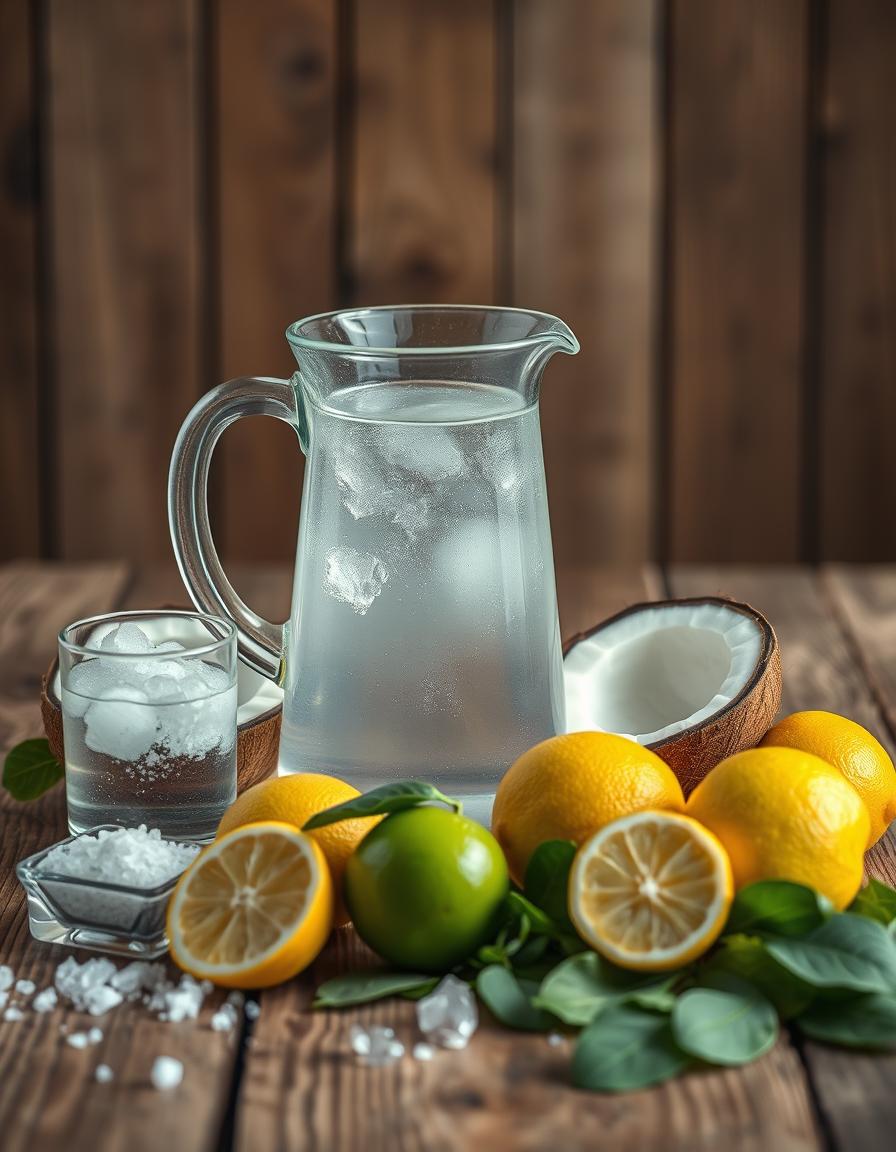
Water fasting is a powerful way to cleanse your body and reset your health, but it can also be challenging. One of the biggest hurdles people face is staying hydrated and energized without food. That’s where electrolytes come in. Electrolytes are essential minerals that help your body maintain proper hydration, support nerve functions, and keep your muscles working smoothly while you’re fasting. Choosing the best electrolytes for water fasting can make all the difference in how you feel during your fast and how well your body responds.
What Are Electrolytes and Why Do They Matter During Water Fasting?
Electrolytes are minerals like sodium, potassium, magnesium, and calcium that carry an electric charge. They play a critical role in many bodily functions, including fluid balance, muscle contraction, and nerve signaling. When you’re fasting on water alone, you miss out on the electrolytes that normally come from food. This can lead to symptoms like headaches, dizziness, muscle cramps, and fatigue.
By replenishing electrolytes, you can avoid these unpleasant side effects and keep your energy levels steady. Drinking plain water during a water fast is great for hydration, but it doesn’t provide the minerals your body needs. That’s why choosing the best electrolytes for water fasting is key to a smoother and safer fasting experience.
Key Electrolytes to Focus On
Not all electrolytes are created equal, and some are more important during fasting than others. Here’s a quick rundown of the main players you should keep in mind:
| Electrolyte | Role in the Body | Common Food Sources |
|---|---|---|
| Sodium | Maintains fluid balance, supports nerve and muscle function | Salt, broth, pickles |
| Potassium | Regulates heart rate, muscle contractions, and nerve signals | Bananas, oranges, spinach |
| Magnesium | Supports muscle and nerve function, energy production | Nuts, seeds, leafy greens |
| Calcium | Important for muscle contractions, bone health, and nerve signaling | Dairy products, leafy greens, fortified foods |
During water fasting, since you avoid solid food, supplementing primarily sodium, potassium, and magnesium is usually most critical. Calcium is less likely to drop rapidly during short fasts, but it still plays an important role over the long term.
Signs You Need Electrolyte Support While Fasting
How do you know if your electrolytes are running low during a fast? Here are some common signs to watch out for:
- Frequent headaches or migraines
- Muscle cramps or twitching
- Dizziness or lightheadedness, especially when standing up
- Fatigue or weakness that doesn’t go away with rest
- Heart palpitations or irregular heartbeat
- Nausea or feeling queasy
If you experience any of these symptoms, it’s a good idea to add electrolyte support. Electrolyte imbalances can get serious, so don’t ignore these warning signs.
Top Choices for the Best Electrolytes for Water Fasting
Finding the best electrolytes for water fasting means picking options that are low-calorie, free from sugars and additives, and easy to absorb. Here are some popular choices that fit the bill:
1. Electrolyte Powders
Electrolyte powders are a convenient and effective way to replenish minerals during fasting. Many brands offer sugar-free options with balanced amounts of sodium, potassium, and magnesium. Simply mix a small scoop into water to stay hydrated and energized. Look for powders free from artificial sweeteners or fillers to keep your fast clean.
2. Mineral-Rich Broth
Bone broth or vegetable broth can provide sodium and other minerals without breaking your fast significantly if consumed in small amounts. Homemade broth is best because it avoids added sugars or preservatives. Sipping warm broth can also soothe hunger and provide comfort during longer fasts.
3. Electrolyte Tablets or Capsules
If you don’t want to taste powders or broth, electrolyte tablets or capsules are a good option. They usually contain magnesium, potassium, and sodium in balanced doses. Just remember to read labels carefully and avoid ones with unnecessary additives or calories.
4. DIY Electrolyte Drinks
For a simple homemade electrolyte drink, you can mix a pinch of Himalayan pink salt or sea salt with water and a splash of lemon juice. This provides sodium and trace minerals, plus vitamin C from the lemon. It’s a refreshing way to stay hydrated without any sugars.
How Much Electrolyte Intake Is Enough?
Electrolyte needs vary from person to person and depend on factors like activity level, climate, and fast length. However, here are some general daily guidelines you might aim for while fasting:
- Sodium: 500–1,000 mg
- Potassium: 200–400 mg
- Magnesium: 100–200 mg
It’s always better to start with smaller amounts and increase if you notice symptoms. Taking too much sodium or potassium at once can cause stomach upset or other issues. Drinking plenty of water alongside electrolytes is important to keep the balance right.
Tips to Maximize Electrolyte Benefits During Your Fast
- Drink electrolytes slowly throughout the day rather than all at once.
- Listen to your body; if you feel off, your electrolyte needs might be higher.
- Combine electrolyte intake with gentle movement or stretching to keep your blood flowing.
- Avoid sugary electrolyte drinks — they spike insulin and break your fast.
- Pair your electrolyte routine with good sleep to help recovery and balance.
Looking for ways to stay active and maintain strength while fasting? A home chest workout with resistance bands can be a gentle yet effective way to keep muscles engaged without overtaxing your energy.
Common Myths About Electrolytes and Fasting
There are plenty of myths out there about electrolytes during water fasting. Let’s clear up a few of the biggest ones:
- Myth: Electrolytes break your fast.
Fact: Pure electrolytes without sugars or calories won’t break your fast. - Myth: All electrolyte supplements are the same.
Fact: Quality and ingredient profiles vary a lot — always check what’s inside. - Myth: Only sodium matters during fasting.
Fact: Potassium and magnesium are just as important to avoid cramps and fatigue.
Conclusion
Water fasting can be a refreshing reset for your body, but it demands proper care, especially when it comes to hydration and electrolytes. Incorporating the best electrolytes for water fasting, such as sodium, potassium, and magnesium, helps maintain your energy, supports muscle function, and keeps you feeling good throughout your fast. Whether you choose powders, broths, tablets, or DIY mixes, the key is finding what works for you and listening closely to your body’s signals. With the right balance, you’ll breeze through your fasting journey with confidence and strength.